Closing a lake house for winter is different from turning down the thermostat. Once the house sits empty, there’s no cooking, showering, hot water use, or body heat adding warmth indoors. If something goes wrong, no one may notice for days or even weeks.
This changes how you need to think about winterizing insulation for seasonal lake homes. Pipes that run through crawl spaces and attics may sit outside much of the home’s ambient heat, making the building envelope especially important when temperatures drop.
For a house that will sit empty through the winter, start with the envelope. Seal the air leaks, insulate the crawl space and attic plane, and pay close attention to plumbing in colder parts of the house. A tighter, better-insulated house can hold a steady low heat setting more effectively, especially when paired with remote monitoring while you’re away. If you’re planning Smith Mountain Lake seasonal home winterizing, it makes sense to assess the crawl space insulation before you close it up for the season. You don’t want to discover a problem after temperatures drop.
Why Empty Lake Homes Lose Heat Faster Than Occupied Ones
The building is on its own all winter
An occupied house gets small but steady sources of heat from the people who live in it, along with cooking, laundry, showers, and hot water use. A seasonal property doesn’t have those internal heat gains once everyone leaves.
At that point, heat loss depends on the insulation and air leakage in the building envelope. Insulation for vacation homes left empty is especially important when you set the thermostat lower for long stretches of winter.
Bedford, Franklin, and Pittsylvania counties are all in Climate Zone 4A, which is classified as Mixed-Humid. That local climate designation applies across the Smith Mountain Lake area.
Where the risk actually sits
Plumbing deserves particular attention. Pipes running through crawl spaces and attics can be exposed to temperatures much closer to outdoor conditions than pipes inside conditioned rooms.
No single thermostat setting works for every seasonal home. The appropriate setting depends on where the pipes run, what they’re made from, and how well they’re insulated.
Why the envelope is the lever
If you seal and insulate your home well, it will keep warm or cool air inside more easily. Sealing and insulating your attic and the floors above crawl spaces can help you save about 15% on your heating and cooling costs.
Those improvements help year-round, not just in winter. For an empty lake house, a tighter envelope also gives the heating system a better chance of maintaining stable indoor conditions while the property is unoccupied. Owners who also use the house during milder parts of the year can read more about shoulder season insulation sizing for occupied-home comfort.
Insulation and Air Sealing Priorities Before You Lock Up
Start under the floor
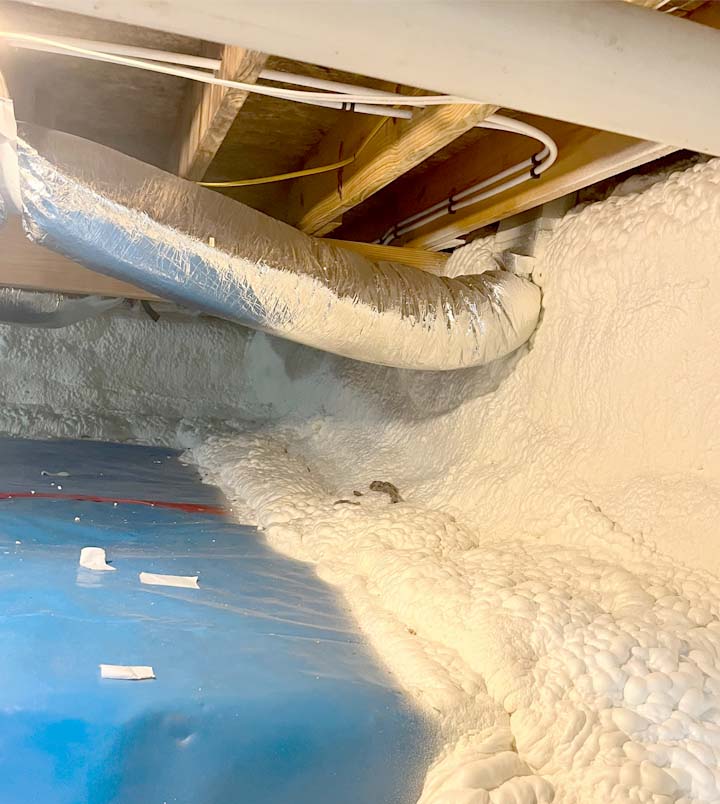
The crawl space is a logical place to begin because it can affect both the floors above and plumbing below the house. A sealed and insulated crawl space can help protect both from cold temperatures.
Closing a vented crawl space requires more than shutting the vents. The vent openings are sealed, and insulation moves to the perimeter walls rather than remaining only in the floor above. Before installing insulation, cover the ground with a polyethylene vapor retarder and extend it up the walls.
A closed crawl space also needs a drying mechanism, such as an exhaust fan or a small supply of conditioned air. These elements work together, not as separate fixes. For a seasonal home that will sit empty through the winter, take care of crawl space insulation for a lake house before cold weather sets in.
The hatches everyone forgets
Don’t overlook the openings into the crawl space and attic. Insulate the crawl space access door and weather-strip around it. Do the same with attic hatches and pull-down stairs. These are easy spots to miss when air sealing before closing up a house for the winter.
Attic plane and plumbing walls
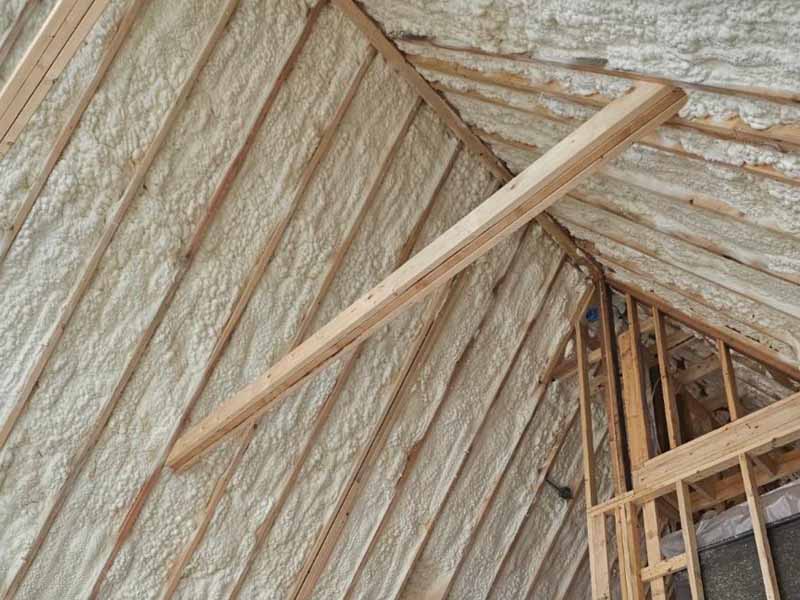
Insulating cold pipes can help limit condensation on their surfaces. Owners evaluating attic options can also discuss spray foam insulation as part of the home’s overall insulation assessment. These priorities matter most when planning freeze protection insulation for Virginia homes that will sit empty for long stretches.
Before adding more attic insulation, seal air leaks first so they don’t bypass the new material. Plumbing chases and pipes in exterior walls also need attention since they sit in some of the colder parts of the house.
Low-Heat Winterization and Moisture Control in a House Nobody Is Watching
Heat low, but not off
Lowering the thermostat can cut heating use, but that only helps if the house can hold the temperature when a cold snap hits. There is no universal temperature recommendation for a seasonal property. Pipe location, material, and insulation all influence how low the thermostat can safely go.
Some owners also consider a complete plumbing drain-down rather than maintaining the same winter setup. That is an option to discuss with a plumber when deciding how to winterize a second home in Bedford or Franklin County.
Moisture does not take the winter off
An empty house can still develop moisture problems. Indoor relative humidity should remain below 60%, and ideally between 30% and 50%, to help control mold growth.
Condensation on windows, walls, or pipes is a sign that humidity is running high and needs attention. Wet materials dried within 24–48 hours usually won’t grow mold. This makes humidity monitoring part of winter care even when the house is closed and nobody is using it.
Damage versus prevention, without numbers
It’s a good idea to address insulation and air sealing before winter arrives. A frozen pipe is much harder to deal with. If a pipe fails while no one is home, water can damage flooring, drywall, cabinetry, and other areas that may later require moisture remediation. Taking care of the work before winter gives you more say over when it happens, instead of dealing with it after something goes wrong.
Make the house tell on itself
Remote temperature and humidity sensors let you monitor the house while you’re away. They’re useful, but they shouldn’t replace scheduled in-person checks. When you return in spring, a crawl space inspection checklist can also help identify conditions that developed over the winter.
FAQ
No single temperature works for every house. It depends on where the pipes are, what they’re made of, and how well they’re insulated. Pipes in crawl spaces and attics can get much closer to outdoor temperatures.
A sealed, insulated crawl space can help protect floors and plumbing from cold temperatures. The assembly also needs a ground vapor retarder and a drying mechanism.
Yes, if humidity gets too high. Keep indoor relative humidity below 60%, and ideally between 30% and 50%. Condensation on windows, walls, or pipes signals too much moisture in the house.
It does. Air sealing and adding insulation in attics and floors over crawl spaces can reduce heating and cooling costs by about 15%. In a seasonal home, a better-insulated envelope can also help keep indoor conditions more stable while no one is there.
Stay Comfortable All Summer Long
Three numbers tell the story for nearly every central Virginia home during the summer. Air conditioning electricity use accounts for roughly one-fifth of household electric bills, a superheated attic makes the AC work harder, and improving insulation with air sealing delivers an average of 15% savings on heating and cooling costs.
If you’re looking to improve comfort, lower the high summer energy bills Virginia homeowners often experience, and boost your home’s overall efficiency, start by reducing attic heat gain and tightening your home’s envelope. The right insulation and air sealing strategy can make a noticeable difference in both comfort and long-term energy savings.
Bedford, Franklin, and Pittsylvania counties are all in Climate Zone 4A. The area is classified as Mixed-Humid.
For a seasonal lake home, start with the envelope, choose the heat setting based on the home and its plumbing, and then monitor conditions while you are away.
Fall, before the house is closed for the season, is the practical time to assess the crawl space, attic plane, and air sealing. Toler Insulating can evaluate those areas and identify where the envelope needs attention before winter sets in.
Taking care of those priorities before you leave can make reopening the house in spring much less eventful.
References
“A Brief Guide to Mold, Moisture and Your Home.” United States Environmental Protection Agency, 18 Feb. 2026, www.epa.gov/mold/brief-guide-mold-moisture-and-your-home.
“Climate Zone 4A.” OpenEI, National Renewable Energy Laboratory, openei.org/wiki/Climate_Zone_4A.
“Frozen Pipe Prevention.” James City County, Virginia, www.jamescitycountyva.gov/3655/. Frozen-Pipe-Prevention.
“Unvented, Insulated Crawlspaces.” Building America Solution Center, Pacific Northwest National Laboratory for the U.S. Department of Energy, basc.pnnl.gov/resource-guides/unvented-insulated-crawlspaces.
“Why Seal and Insulate?” ENERGY STAR, United States Environmental Protection Agency, www.energystar.gov/saveathome/seal_insulate/why-seal-and-insulate.