Battling mold and mildew is a frustration for Virginia homeowners, especially during hot, humid summers. Mold spores are always present in the environment, but they only grow when moisture is present. According to the Virginia Department of Health, moisture is the key factor that allows mold to take hold and spread.
Unfortunately, the warm, damp conditions inside an unvented attic provide exactly what mold needs. When moisture becomes trapped in the attic, homeowners may notice musty odors, visible mold growth, worsening allergy symptoms, or even structural damage over time. In many cases, the root cause is an improperly ventilated attic.
Why Attic Ventilation Matters in Virginia
Virginia’s Climate
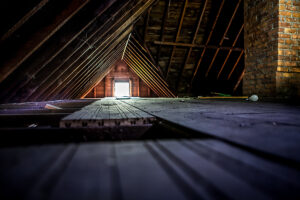
Virginia homes face a tough combination of hot, muggy summers and chilly winters. High outdoor humidity is common year-round, while winter brings temperature swings that can lead to condensation. Without proper attic ventilation, heat and moisture become trapped at the highest point of the home, creating ideal conditions for mold growth and wood rot.
The Attic’s Role in Moisture Control
The attic acts as the home’s top line of defense against the elements. Warm, moist air naturally rises from living spaces below, especially from bathrooms, kitchens, and crawl spaces. If that air cannot escape, it condenses on cooler attic surfaces such as roof decking, rafters, and insulation. Over time, this leads to mold growth, damp insulation, and wood framing deterioration.
Building Code Requirements
Most modern building codes, including those used in Virginia, require attic ventilation when fiberglass or cellulose insulation is installed on the attic floor. Venting allows excess humidity and heat to escape, keeping insulation dry and ensuring it performs as intended. Wood framing also stays drier and more durable as a result.
It’s important to note that spray-foamed attics are different. When insulation is applied directly to the roof deck, the attic becomes a sealed, conditioned space and does not require ventilation. However, homes with sealed, spray-foamed attics do require whole-home ventilation systems to maintain proper indoor air quality and moisture control throughout the living spaces.
Ventilation Guidelines
A commonly recommended guideline is approximately one square foot of net free vent area for every 150 square feet of attic floor space. This ratio allows hot, damp air to escape rather than accumulate.
In summer, proper ventilation expels stifling heat and moisture. In winter, it keeps the attic cold and dry, helping prevent condensation and ice dams on the roof. When ventilation is paired with adequate insulation, it protects both energy efficiency and the home’s structural integrity year-round.
Signs of Improper Attic Ventilation
Homeowners can often spot ventilation problems by watching for these warning signs.
Visible Mold or Mildew
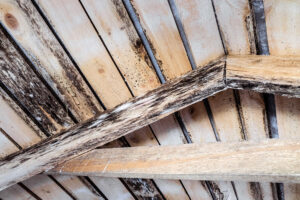 Black, green, or white fuzzy growth on attic rafters, roof decking, or insulation is a clear red flag. Mold thrives in damp environments, such as a poorly insulated attic, and can begin growing within 24 to 48 hours of moisture buildup.
Musty or Damp Odors
A persistent musty smell upstairs or in the attic usually indicates mold or mildew. Stale, humid air with no escape route often enters living spaces, carrying the odor with it.
Dark Stains or Condensation
Water stains on wood framing, soggy insulation, or beads of water or ice on the underside of the roof are signs that moisture is condensing in the attic. Peeling paint or dark discoloration often indicates ongoing moisture issues, which can eventually lead to wood rot and structural damage.
Frost or Ice Dams in Winter
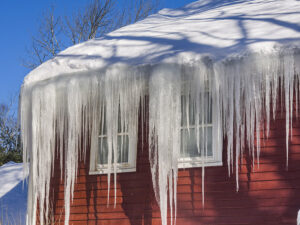 During cold Virginia winters, a warm attic caused by trapped indoor heat can lead to frost buildup inside the attic or ice dams along the roof edge. Ice dams form when snow melts on a warm roof and refreezes at the eaves, damaging shingles and gutters in the process. Icicles, ice ridges, or attic frost are strong indicators that warm, moist air is not venting properly.
If any of these issues appear, attic ventilation should be evaluated before damage worsens.
How Attic Ventilation Works
Attic ventilation is all about controlled airflow. A well-designed system uses both intake vents and exhaust vents to continually move air through the attic, preventing heat and moisture from becoming trapped.
Intake Vents
Intake vents are typically located in the soffits along the underside of the roof eaves. These vents draw in cooler outside air at the lower edges of the attic. Even during Virginia summers, outside air is cooler than the extreme heat that can build up in an unventilated attic.
Exhaust Vents
Exhaust vents are placed at or near the roof peak, where heat naturally rises. Ridge vents are the most common option, though gable vents or roof louvers may also be used. These vents allow hot, moisture-laden air to escape.
The Balanced System
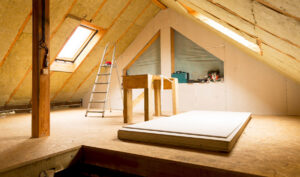 As warm air exits through high exhaust vents, cooler air is pulled in through soffit vents below. This continuous flow flushes out heat and moisture, preventing stagnation. Soffit-and-ridge vent combinations are widely considered the most effective because they distribute airflow evenly along the entire roofline.
When individual roof vents are used instead of a continuous ridge vent, experts recommend splitting them evenly between high and low locations to maintain balance.
Code-Driven Ventilation Design
Building codes require attic cross-ventilation to protect the home. Ideally, about 50 percent of the vent area should be low intake (soffit) and 50 percent high exhaust (ridge). Following the 1:150 ventilation ratio ensures sufficient capacity, though local codes should always be checked for specific requirements.
Without proper ventilation, warm, moist air would simply sit under the roof. With proper ventilation, that air has an escape path, keeping the attic drier and closer to the outside temperature. This prevents condensation on wood or insulation.
A Joint Effort
Ventilation alone isn’t enough. Insulation slows heat transfer from living spaces into the attic, while air sealing blocks leaks that allow conditioned indoor air to escape upward. Sealing gaps around plumbing penetrations, wiring, and light fixtures reduces moisture load and helps vents work more effectively.
Bathroom and kitchen exhaust fans must vent outdoors, never into the attic, as required by building codes. When ventilation, insulation, and air sealing work together, the attic stays closer to outdoor conditions, which is exactly what’s needed for a healthy roof system.
Benefits of Proper Attic Ventilation
Prevents Mold and Mildew
Ventilation removes the excess moisture that mold and mildew need to survive. Moist air that would otherwise soak into wood or insulation is exhausted outside, depriving mold of its food source and reducing musty odors throughout the home.
Protects Your Roof and Structure
Trapped humidity can cause wood rot in rafters and roof decking, while excessive heat can prematurely age shingles from below. Proper ventilation vents water vapor before it condenses and expels superheated air in summer. In winter, keeping the roof cold helps prevent ice dams, extending the lifespan of both the roof and attic structure.
Improves Energy Efficiency
A ventilated attic reduces extreme heat buildup in summer and moisture issues in winter. This lowers strain on cooling systems and helps insulation perform as designed. Rather than fighting unwanted heat transfer, heating and cooling systems operate more efficiently year-round. Proper ventilation, combined with insulation, helps stabilize indoor temperatures, which can reduce energy bills.
Enhances Indoor Comfort
Upstairs rooms are noticeably more comfortable when the attic above them is properly vented. Ventilation prevents attic heat from radiating downward in summer and keeps winter moisture from creating a damp, clammy feeling indoors. Balanced airflow contributes to consistent comfort in every season.
Additional Moisture-Prevention Tips
While attic ventilation is a key tool against mold and moisture, it is most effective when combined with other moisture-control strategies.
Vent Exhaust Fans Outside
 All bathroom and kitchen exhaust fans must discharge outdoors, not into the attic or crawlspace. Dryer vents should also lead outside. Venting moist air indoors from bathing or cooking vapors quickly overwhelms even a well-ventilated attic.
Seal Attic Air Leaks
Seal gaps where air leaks from living spaces into the attic, including around plumbing pipes, chimney chases, recessed lights, and wiring penetrations. Caulking or using expandable foam blocks helps prevent warm, moist air from infiltrating the attic and improves overall energy efficiency.
Control Indoor Humidity
Maintain indoor relative humidity between 30 and 50 percent. During especially humid Virginia summers, air conditioning or a dehumidifier may be needed. In extreme cases, a portable attic dehumidifier can supplement ventilation.
Fix Leaks Promptly
Roof or plumbing leaks can introduce water into the attic almost overnight. If signs of a roof leak are spotted such as water stains, drips, or wet insulation, address them immediately. Dry or remove water-damaged materials within 24 to 48 hours to prevent mold growth. Staying on top of repairs will complement ventilation efforts and keep the attic dry.
Ensure Sufficient Insulation (Without Blocking Vents)
Fiberglass or cellulose insulation works hand in hand with ventilation. This helps keep attic surfaces from getting too warm in winter or too hot in summer, preventing condensation. Fiberglass or cellulose insulation should meet recommended levels for Virginia homes, but insulation must never block soffit vents. Baffles, also called rafter vents, keep airflow channels open along the roof deck while allowing full insulation coverage.
Conclusion
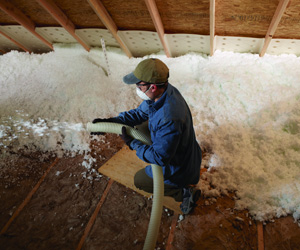
By maintaining proper attic airflow and combining ventilation with insulation, air sealing, and attic moisture control, homeowners can dramatically reduce the risk of mold, mildew, and long-term moisture damage.
Contact Toler Insulating today to learn how proper attic ventilation and the right insulation can keep your Virginia home mold-free, comfortable, and energy-efficient.